By Nic Neal, People and Culture Specialist
We’ve all seen it happen where an agency starts missing deadlines, client retention drops, and the standard of work just starts to feel…off. The immediate reaction is to focus on what went wrong. Did we mismanage the timeline, was the creative pitch a bit weak, or did account managers drop the ball on comms? The hard truth is that bad performance almost never starts at the finish line. It starts way within the agency and the daily environment your team is operating in. If your staff are burnt out, confused about their roles, or terrified to flag a mistake, it’s going to bleed into the work. In a fast paced events agency, where deadlines absolutely do not move and clients demand perfection first time round, that challenging environment morphs into a massive commercial headache really fast.
1. A struggling team means unpredictable client delivery
Your team are the ones turning agency promises into actual, tangible project deliveries. When they have clear direction, the right tools, and solid backing, they have the power to do incredible work.
When that’s taken away, the cracks start to show. It means:
- Sloppy mistakes and missed details.
- Jumbled, confusing client comms.
- Over reliance on AI tools to replace your usual human touch
- A sudden spike in last-minute panic fixes.
- A total lack of creative initiative.
- A bare minimum approach
Sound familiar? Well, that’s because the numbers back this up. Gallup found that highly engaged teams are 23% more profitable. They also see 41% fewer defects in their output. Your client is never going to phone you up and say, “Hey, I think you have a workplace culture issue.” They’ll just tell you the work is sloppy, the team is slow, or the creative is lacking. Next thing you know, a retainer vanishes, and a massive annual event gets handed to a competitor.
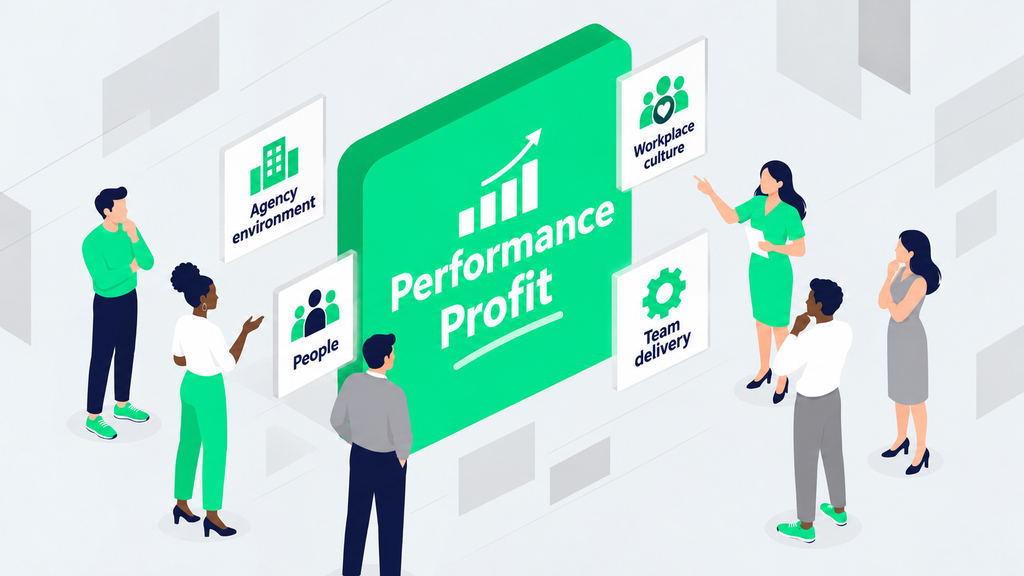
A healthy environment isn’t just some fluffy HR metric, it’s the actual foundation of the product your clients are paying for.
2. The financial hit
Running an events agency is intense, we all know that. Live dates don’t shift, clients pivot at the eleventh hour, and teams have to put out fires under immense pressure but, there is a massive line between the occasional frantic week and a culture where sheer exhaustion is just “how we do things around here.” The Health and Safety Executive (HSE) released some stats recently, with work-related stress, depression, and anxiety wiped out 22.1 million working days in Britain over 2024/25. The average person taking nearly 23 days.
For an agency, you end up paying for that burnout in a bunch of hidden ways:
- Spikes in sick leave.
- People staring at screens, completely unable to focus.
- The remaining team getting exhausted under the extra workload.
- Spiralling recruitment and freelance costs because people keep quitting.
- Senior directors getting dragged back into the weeds of delivery.
Poor mental health costs UK businesses around £51 billion every single year. According to Deloitte, for every £1 you put into supporting your team’s mental wellbeing, you get about £4.70 back. You aren’t removing accountability by looking after your team. You’re just making sure that “panic mode” doesn’t become your permanent business model.

3. You can’t just demand high performance, you have to build it
A high-performing culture won’t survive if you keep squeezing people harder until they break. It requires an environment where everyone knows exactly what great looks like, and they actually have the tools and support to pull it off.
If you lead an agency, start here:
- Get role clarity down on paper, not just in your head. A RACI for who owns what on a live event sounds basic, but I’ve seen entire teams unravel because ownership wasn’t clear.
- Recognise the win the day it happens, not in a quarterly review. A one-line message after a pitch lands does more than you know.
- Give people real ownership, then get out of the way. Micromanaging a project you’ve handed someone tells them to not bother stepping up
- Build the kind of safety where a mistake gets flagged in the first hour, not covered up until the client finds it. The gap between “I’ve messed up, can we fix this” and a furious client call is almost always a trust problem, rather than a competence one.
- Treat exhaustion as a resourcing signal, not a personality flaw. If the same two people are always the ones burning out, that’s not a them problem, that’s your resourcing model telling you something.
- Fix the process and tools that are quietly costing you hours a week. Seek advice from your team; what’s slowing them down, what’s getting in the way.
- Empathy and high standards aren’t in competition. Holding someone to a brilliant standard and asking how they’re doing are the same conversation, not two different ones.

Your culture meets the client before you do
Workplace culture doesn’t need to be an ethereal concept that requires two away days and a teambuilding exercise to define, real culture is just the daily reality of working at your agency. It’s how your managers handle a crisis. It’s whether hard work is actually noticed and how many of your team get work fear each Sunday.
Ask yourself, does my team feel supported and accountable? Do they know what good looks like without me hovering over them? When they do, they have the power to produce the kind of killer work that clients trust. When they don’t? The mess spills over. It infects the creative, ruins the client relationship, and eventually, chews up your profit margin. People and profits aren’t two separate buckets. Investing in your team is exactly where high performance begins.