


Article written for MIT Magazine by Max Fellows
April 2025 brings significant tax changes that will affect business owners in the events and creative industries. While Employee Ownership Trusts (EOTs) offer an excellent exit route for those looking to transition ownership, not everyone is ready or willing to sell.
If you’re focused on driving growth rather than considering exit or succession planning, now is the time to adapt and strategise to minimise tax liabilities and ensure continued success.
Understanding the tax changes
The government’s shift in tax policies is expected to impact business owners in multiple ways.
● Capital Gains Tax (CGT) adjustments – Possible increases in CGT rates may make future exits less tax-efficient.
● Dividend tax increases – Business owners relying on dividend payments may face higher tax bills.
● Changes to business reliefs – Potential reductions in key tax reliefs such as Business Asset Disposal Relief (BADR), making it more expensive to extract value from your business.
● Corporation tax adjustments – The current 25 per cent rate could see further changes under the new government.
With these potential increases, holding onto your business requires smart financial planning.
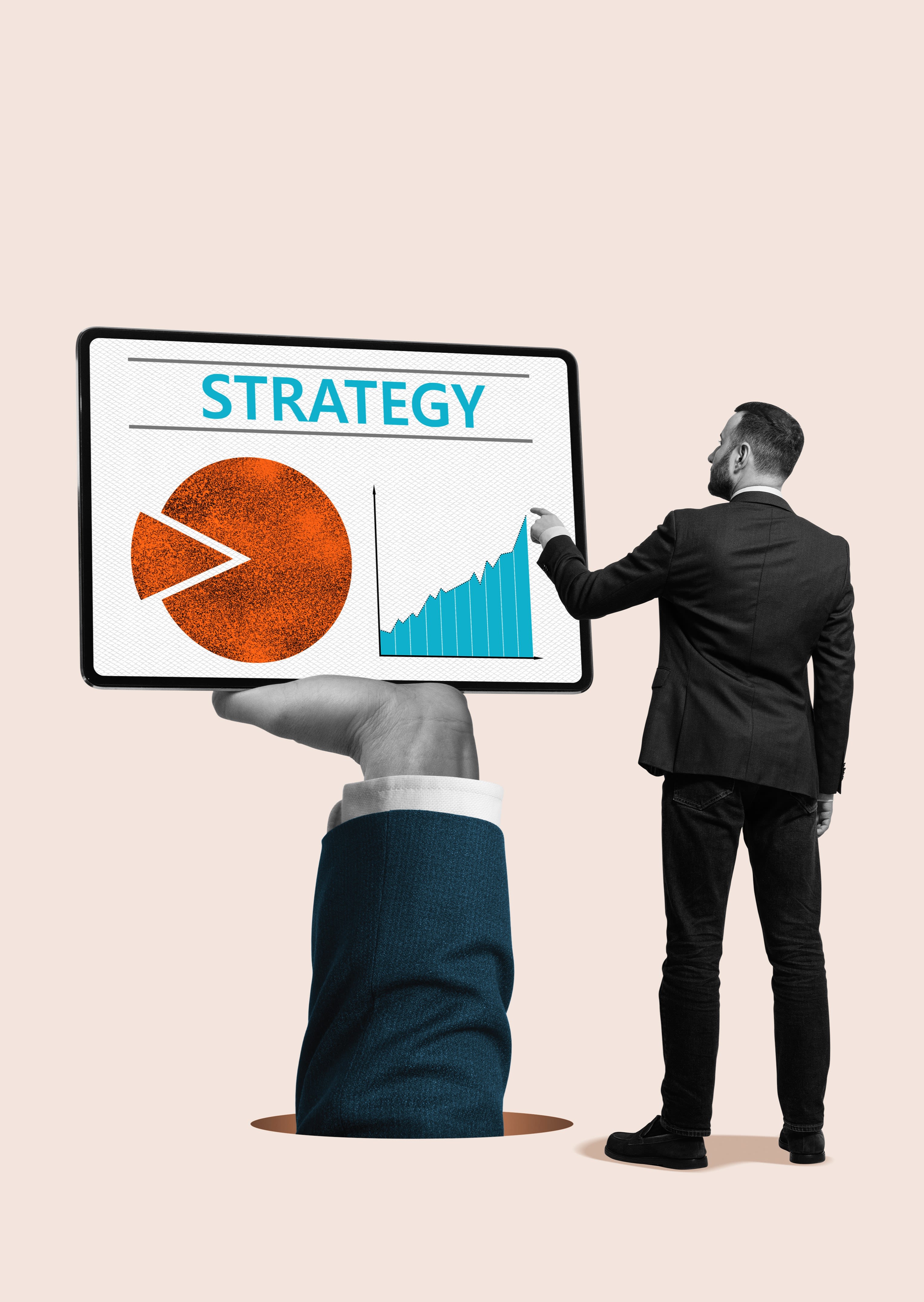
Key strategies to mitigate tax impact and strengthen your business
If you’re not looking to sell, here’s how to protect your business and financial future.
1. Optimise your business structure
● Review dividend strategies: With higher dividend taxes, restructuring how you withdraw profits could save money. Consider a mix of salary, dividends, and pension contributions.
● Assess business reliefs: Ensure your company still qualifies for tax-efficient reliefs like R&D tax credits or the Enterprise Investment Scheme (EIS).
● Explore holding companies: Moving assets into a holding company may provide greater tax efficiency and flexibility for future transitions.
2. Maximise tax-efficient profit extraction
● Pension contributions: Increasing employer pension contributions is a tax-efficient way to extract profits while reducing taxable income.
● Bonus and incentive structures: Aligning key staff remuneration with long-term incentives can help retain talent while managing tax exposure.
● Reinvestment in growth: Consider reinvesting profits into the business, such as new services, technology, or international expansion, to reduce taxable income.
“Business owners who take steps now to optimise tax efficiency, strengthen financial structures, and invest in future growth will be best positioned to thrive.“ Max Fellows, allpoints
3. Strengthen financial resilience
● Cash flow optimisation: Review working capital management to improve liquidity, ensuring resilience against market fluctuations.
● Debt vs. equity balance: Evaluate financing options to ensure an optimal mix that supports growth while managing tax implications.
● Tax planning with experts: Work closely with financial advisors to ensure your business structure aligns with new tax regulations.
4. Employee incentives and ownership models
● Share schemes for employees: Implementing an Enterprise Management Incentive (EMI) scheme can provide tax advantages and improve employee retention.
● Profit-sharing plans: Encouraging shared success through performance-based rewards can improve motivation and company culture.
● Considering an EOT for the future: Even if selling isn’t on the table now, planning for an eventual EOT transition could offer long term benefits.
5. Future-proofing against political and economic uncertainty
● Scenario planning: Model different financial scenarios based on potential tax increases to make informed strategic decisions.
● Legislative monitoring: Stay ahead of regulatory changes and adapt business strategies accordingly.
● Investment in innovation: Leveraging new technologies and diversifying services can create additional revenue streams, reducing tax liabilities.
Act now to stay ahead
With the upcoming tax changes, proactive planning is essential. Business owners who take steps now to optimise tax efficiency, strengthen financial structures, and invest in future growth will be best positioned to thrive.